Burst pipe flooding a kitchen or bathroom
We shut off the water if you have not already, extract the standing water, and dry the affected materials. We also check for water that migrated into adjacent rooms or the ceiling below.
When water is rising in your home, rapid water extraction in Studio City, California is the only thing standing between a wet floor and a full demolition. Our IICRC-certified crews arrive in 60 minutes or less with truck-mounted extraction units, thermal imaging cameras, and moisture meters. We handle burst pipes, slab leaks, toilet overflows, and storm flooding across Studio City. One call starts the dry-out.
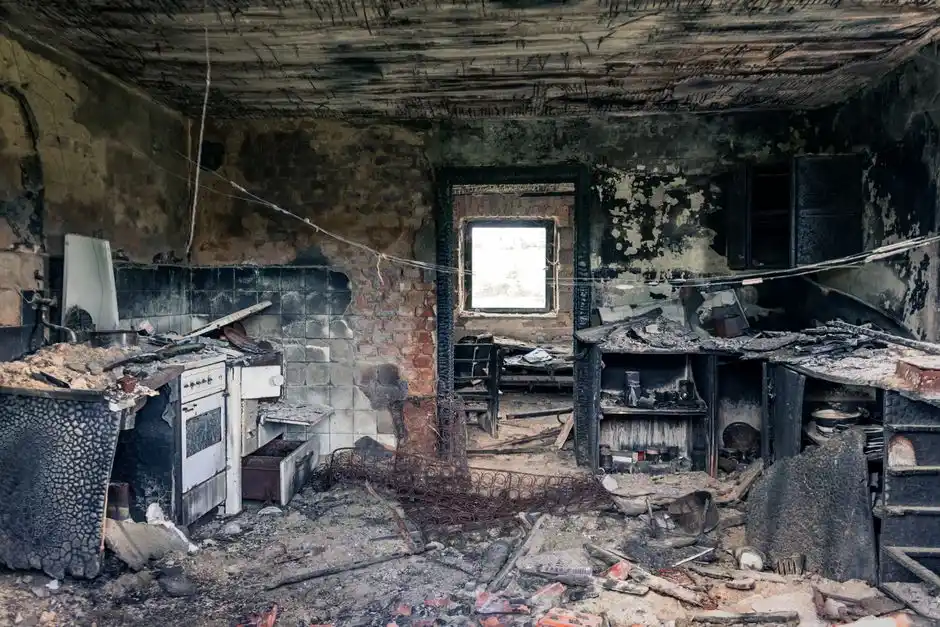
rapid water extraction in Studio City, California is the emergency removal of standing water from a structure using truck-mounted pumps, portable extraction units, and weighted extraction tools. It is not a shop vac and a fan. We pull hundreds of gallons per hour, then use moisture meters and thermal imaging cameras to find water hiding behind baseboards, under wood subfloor, and inside wall cavities. The goal is simple: get the water out fast enough to stop mold growth, save drywall, and keep your flooring from buckling.
Studio City sits in a bowl where the LA River watershed, aging clay sewer laterals, and 1920s-1950s plumbing meet. When a slab leak or burst pipe lets go, water wicks into original hardwood and plaster faster than most homeowners expect. We see it constantly in Colfax Meadows and Tujunga Village. If you search for fast water removal in Studio City or a rapid water extraction company serving Studio City California, you want a crew that knows these houses, not a call center dispatching from two counties away.
Every extraction job includes the core services below. If your loss requires additional work like mold remediation or structural repair, we will tell you upfront and provide a separate scope before we start.
We remove standing water from all affected surfaces using truck-mounted and portable extraction units. This includes carpet, hardwood, tile, concrete, and crawl spaces. We extract until the floor reads dry on a moisture meter.
We use thermal imaging cameras, moisture meters, and infrared thermometers to find water hiding behind walls, under floors, and in ceiling cavities. This ensures we dry the whole affected area, not just the visible puddle.
After extraction, we apply antimicrobial solution to affected framing, baseboards, and subfloor. This slows mold growth while the structure dries. It is a standard step in every water loss we handle.
We position air movers and dehumidifiers to dry wall cavities, wood subfloor, and insulation. Equipment runs 3 to 5 days on average. We monitor moisture daily and adjust the setup until the structure is dry.
A technician visits every day to log moisture readings with a hygrometer, check equipment, and photograph progress. You get a complete drying report at the end for your insurance claim.
We do not pull equipment until moisture levels return to normal. We compare final readings to our day-one baseline and provide written verification. This is how we prevent mold growth after water damage.
You call (833) 321-7153 and speak to a live dispatcher, not a voicemail. We ask what happened, where the water is coming from, and whether the source is still active. You get an arrival window on the spot. If the water is still flowing, we walk you through shutting off the main valve before we arrive.
Our lead technician walks the property with a moisture meter, thermal imaging camera, and infrared thermometer. We map the full extent of the water migration, including areas you cannot see. This takes 20 to 30 minutes and determines where we place extraction units and drying equipment.
We deploy truck-mounted water extraction units and portable units to pull standing water from carpet, hardwood, tile, and concrete. Weighted extraction tools press water out of carpet padding. A typical residential job removes 200 to 800 gallons in the first two hours. We do not stop until the floor reads dry on the meter.
After extraction, we position air movers and dehumidifiers to dry wall cavities, baseboards, and wood subfloor. We use polyethylene sheeting to create drying chambers where needed. Equipment runs 3 to 5 days on average. We check moisture levels daily and adjust the setup until everything reads within normal range.
We take final moisture readings with a hygrometer and compare them to our day-one baseline. When the structure is dry, we remove equipment, provide a written drying report, and walk you through what was saved and what needs repair. You get the full documentation package for your insurance claim.
Purpose-built equipment, used by trained technicians — so the job is done accurately the first time.
Pulls hundreds of gallons per hour from carpets, floors, and standing water. Far more powerful than any portable unit you can rent.
Detects hidden moisture behind walls, under floors, and in ceiling cavities without opening up the structure.
Measures moisture content in building materials and relative humidity in the air. We use these daily to track drying progress.
Dries wall cavities, subfloor, and insulation after extraction. We use Dri-Eaz and Phoenix Restoration Equipment units.
Filters airborne mold spores and dust during extraction and drying. Essential when mold growth after water damage is present.
Inspects inside wall cavities and crawl spaces without demolition. Helps us find hidden water and mold.
Eliminates musty odors after a water loss. We run it after extraction and drying are complete.
A supply line under the kitchen sink burst at 11 p.m. Water spread across the kitchen, hallway, and into the dining room. The hardwood was starting to cup, and water was dripping into the garage below.
We extracted 340 gallons in the first two hours. Drying equipment ran for four days. The hardwood dried flat without replacement, and the garage ceiling dried with no mold growth. The homeowner paid only their deductible.
An upstairs toilet overflowed for 20 minutes before the tenant noticed. Water soaked the bathroom floor, ran into the hallway, and dripped through the ceiling of the unit below. Both units were affected.
We extracted water from both units, removed wet ceiling drywall in the lower unit, and dried the structure in three days. The upstairs bathroom flooring was saved. We documented both units separately for insurance.
A slab leak under the living room had been soaking the original 1928 hardwood for weeks. The baseboards were warped, and mold was starting behind the drywall. The homeowner was worried the floor was a total loss.
We located the leak with thermal imaging, extracted the water, and dried the wood subfloor slowly over five days. The hardwood was saved. We treated the baseboard area with antimicrobial solution and removed a small section of moldy drywall.
Most water damage calls we get in Studio City fall into a few categories. Here is what we see and how we fix it.
Ask a pro →We shut off the water if you have not already, extract the standing water, and dry the affected materials. We also check for water that migrated into adjacent rooms or the ceiling below.
We locate the leak with thermal imaging, extract the water, and dry the wood subfloor slowly to prevent cupping. We also treat the area with antimicrobial solution to stop mold.
We suit up in full PPE, contain the area, extract the contaminated water, remove affected materials, and disinfect with antimicrobial solution. We dispose of everything according to California regulations.
We find the source, extract any standing water, and dry the ceiling cavity. If the drywall is compromised, we remove and replace it. We also check the attic for mold growth after water damage.
Most residential extraction jobs in Studio City run $350 to $1,800 for extraction alone, with full drying packages reaching $2,500 to $6,500 depending on square footage and materials affected. Typical 2026 pricing in this area reflects the cost of truck-mounted equipment, drying equipment rental, and daily monitoring. If the loss is covered by insurance, you typically pay only your deductible.
Water Damage Restoration Studio City offers fast water removal Studio City homeowners can schedule 24 hours a day. We are based locally, licensed under the CSLB, and carry IICRC certifications. Call (833) 321-7153 and a live dispatcher will give you an arrival window. We serve Studio City Hills, Laurel Canyon, Fryman Canyon, and all surrounding neighborhoods.
Our average arrival time is 60 minutes or less for most Studio City addresses. We stage equipment inside the Valley, so we are not fighting freeway traffic from downtown or the Westside. For emergency rapid water extraction in Studio City California after a burst pipe or sewage backup, call us immediately and we will dispatch the nearest available crew.
Yes. We work with all major carriers and can bill many of them directly. We document every affected area with photos, moisture readings, and an Xactimate-compatible scope. Your adjuster gets a complete package. If you need help filing the claim, our office walks you through it. Most standard homeowners policies cover sudden water damage from burst pipes, appliance failure, and storm intrusion.
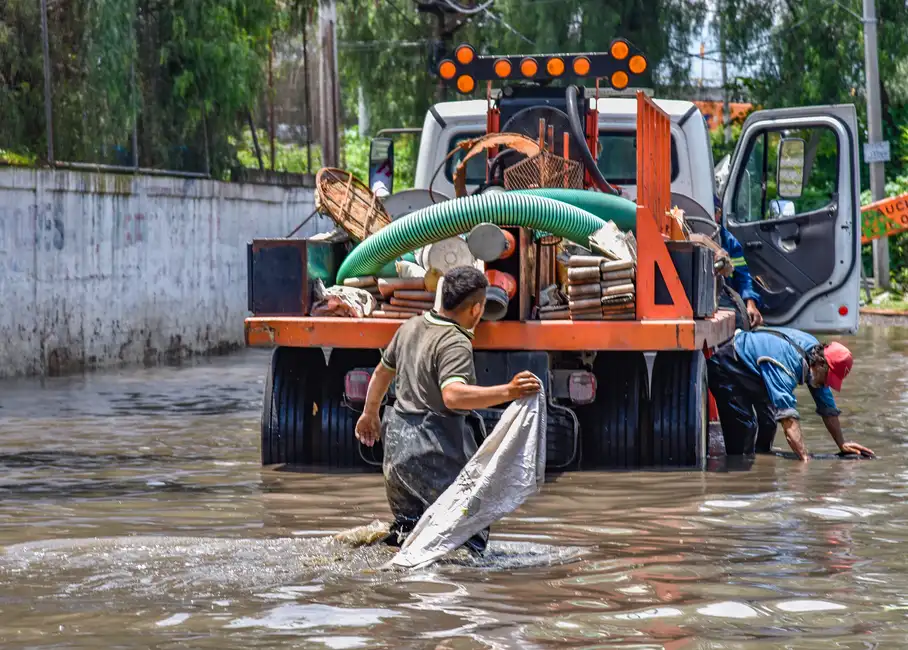 flood restoration servicesWhen storm flooding pushes water into your Studio City home, we combine rapid water extraction with full flood restoration, including sewage decontamination, structural drying, and rebuild. We handle everything from the first pump-out to the final coat of paint.Explore →
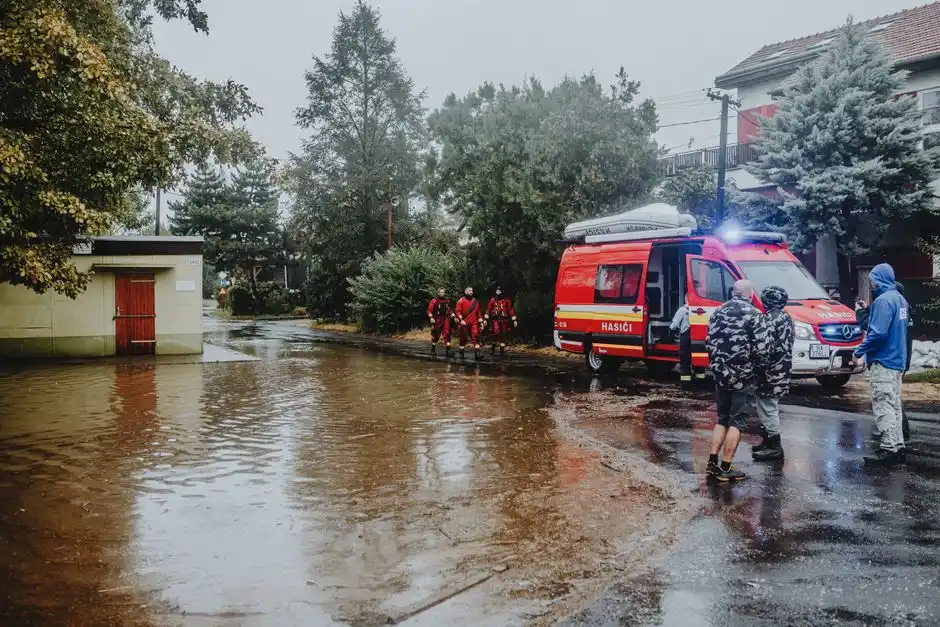 emergency water removalEmergency water removal is the first phase of any water damage response. We pull standing water from floors, carpets, and crawl spaces before it migrates into wall cavities. In Studio City, we often pair this with slab leak detection to find the source.Explore →
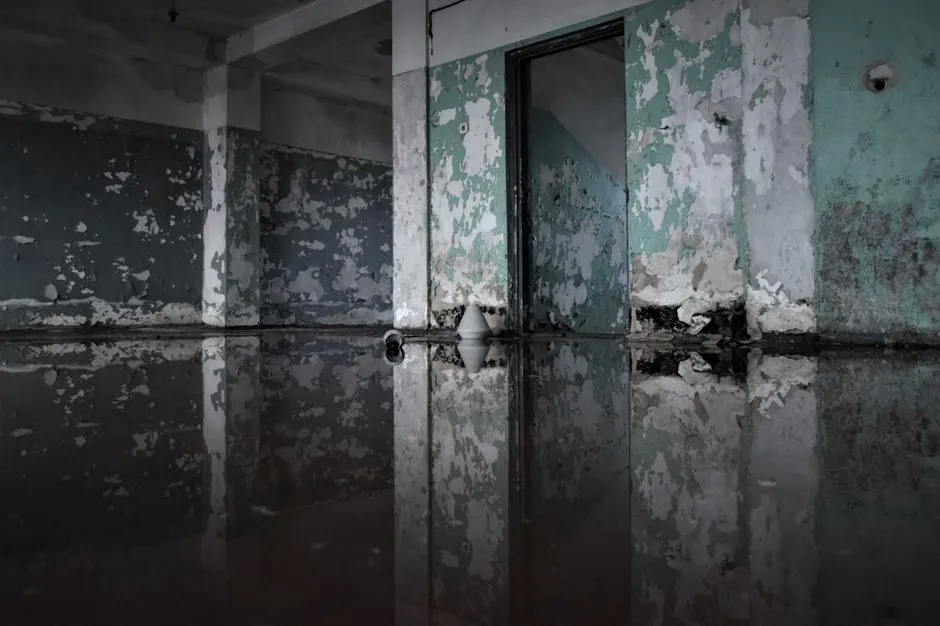 mold remediation after water damageIf water sat for more than 48 hours, mold growth after water damage is likely. We contain the affected area with polyethylene sheeting, run air scrubbers, and remove contaminated drywall and insulation under ANSI/IICRC S520. We do not just spray and pray.Explore →
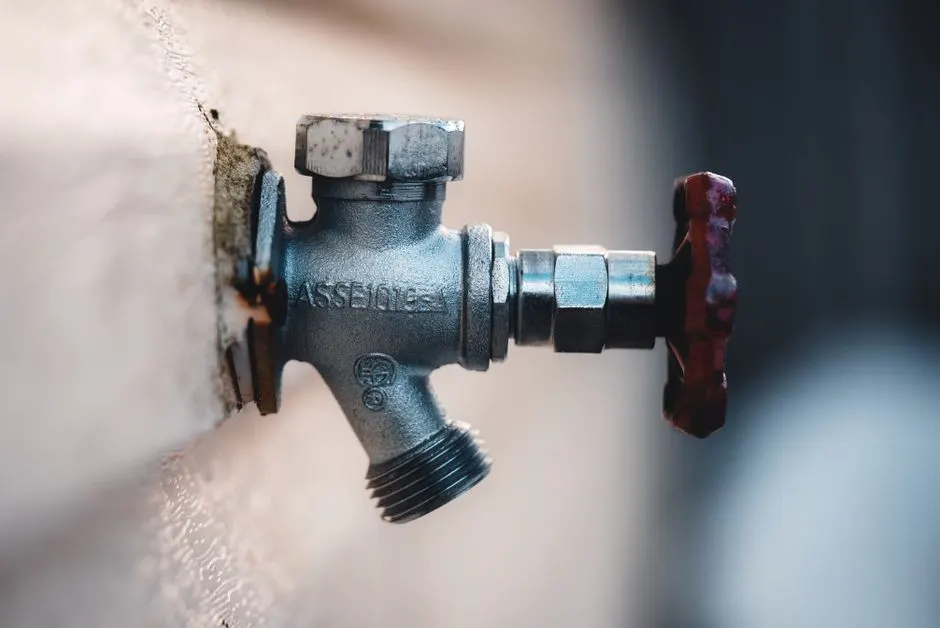 water leak restorationA hidden slab leak or burst pipe can soak a foundation for weeks before you notice. We locate the leak with thermal imaging, extract the water, dry the structure, and repair the damaged materials. Studio City's older plumbing makes this one of our most common calls.Explore →
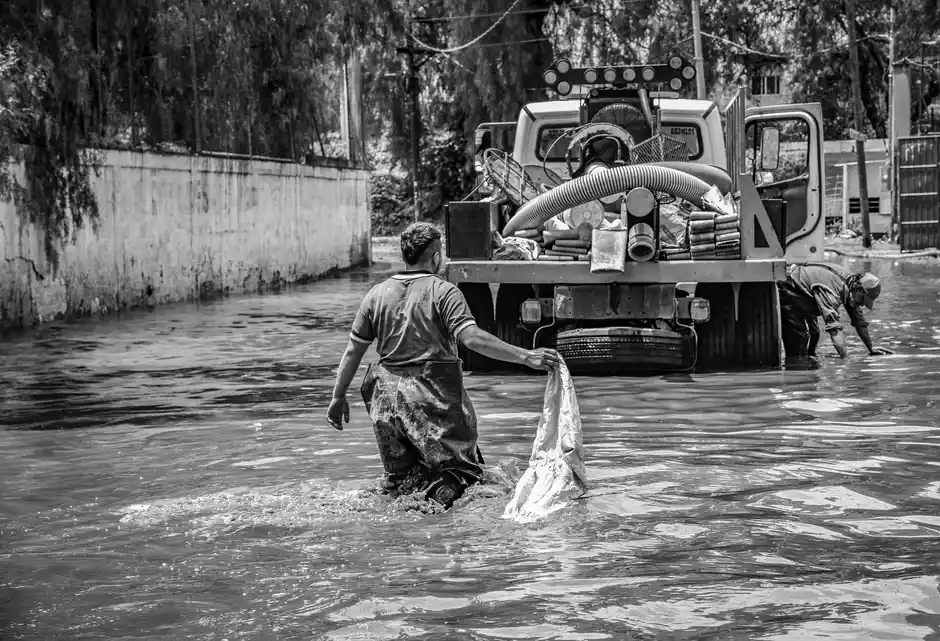 emergency water cleanupEmergency water cleanup covers the full scope: extraction, antimicrobial treatment, drying, deodorizing, and debris removal. We handle toilet overflows, appliance failures, and roof leaks. Our crews carry absorbent pads and antimicrobial solution on every truck.Explore →
 water extractionWater extraction is the core of what we do. We use truck-mounted extraction units and weighted tools to remove water from carpet, hardwood, tile, and concrete. A typical Studio City home yields 200 to 800 gallons in the first two hours of work.Explore →
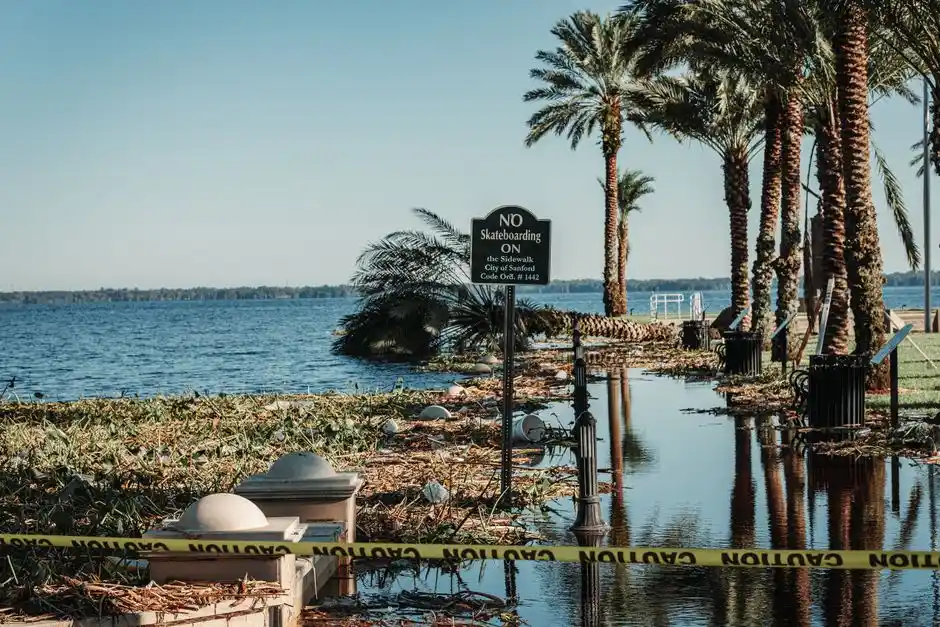 water damage mitigationMitigation means stopping the damage from spreading. We extract standing water, set up drying equipment, and monitor moisture daily. In Studio City, we often mitigate water damage from roof leaks and foundation seepage before it reaches the mold stage.Explore →
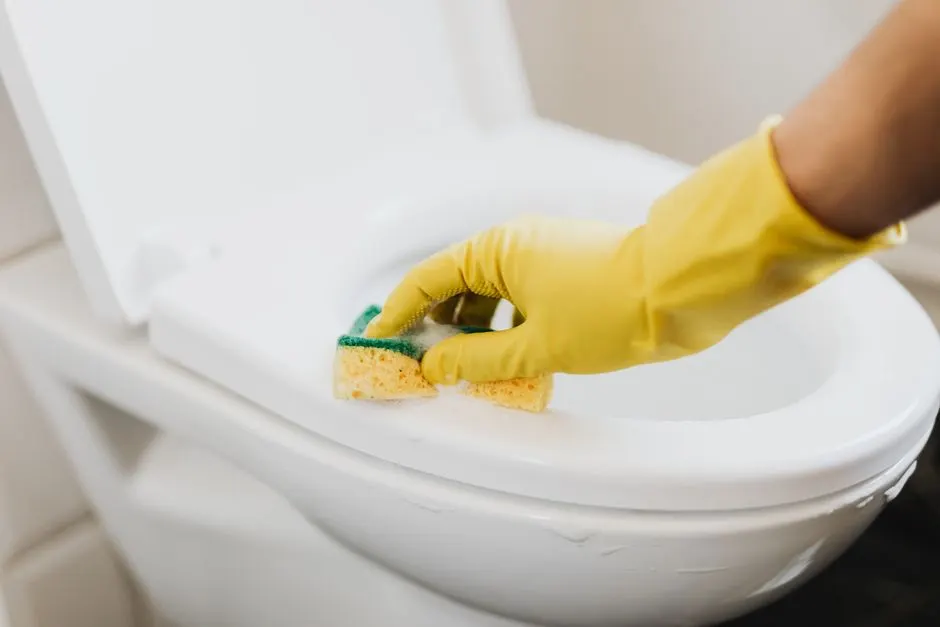 toilet overflow cleanupA toilet overflow can dump 30 to 50 gallons of contaminated water into your bathroom and hallway in minutes. We extract the water, apply antimicrobial solution, and dry the subfloor. If the overflow involved sewage backup, we treat it as a Category 3 loss.Explore →
Standing water gets more expensive every hour. Our crews are on call 24/7 and can be at your door in 60 minutes or less. We are licensed, insured, and we bill most major insurance carriers directly. One call and the water starts going down.
Call (833) 321-7153 (833) 321-7153 →Reach us any hour at (833) 321-7153 for emergency water removal, extraction, or drying. We answer live, day or night, and dispatch a crew right away. For non-emergency estimates, email info@waterdamagerestorationstudiocity.com and we will get back to you the same business day.